Cellophane Film
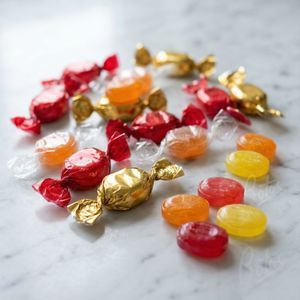
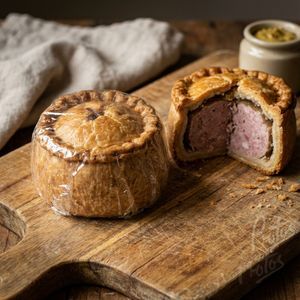
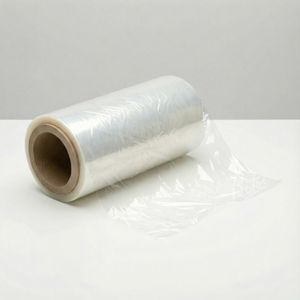
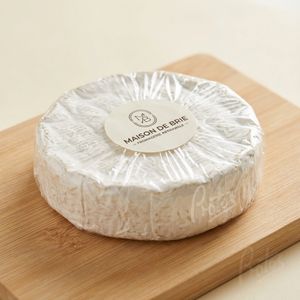
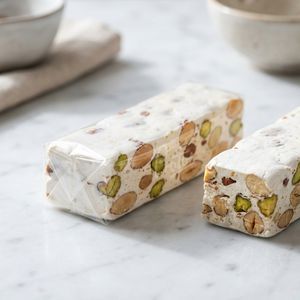
Biodegradable cellophane film from renewable wood pulp. Dead fold properties for twist wrap confectionery, breathable for bakery, heat resistant grades for hot pies. Converted in the UK into reels, bags, and sheets.
Key Features & Benefits
100% Biodegradable
Made from renewable wood pulp, cellophane fully biodegrades in soil and compost - no microplastics
Dead Fold Properties
Once twisted or folded, cellophane stays put - essential for confectionery twist wrapping
Breathable
Moisture permeability prevents condensation and mould, extending shelf life for bakery products
Heat Resistant
Unlike thermoplastics, cellophane won't melt - suitable for hot pies and pasties straight from the oven
Excellent Clarity
Crystal clear with natural brilliance and a distinctive crinkle that signals quality
Food Safe
Naturally antistatic and compliant with food contact regulations
About Cellophane Film
What is Cellophane?
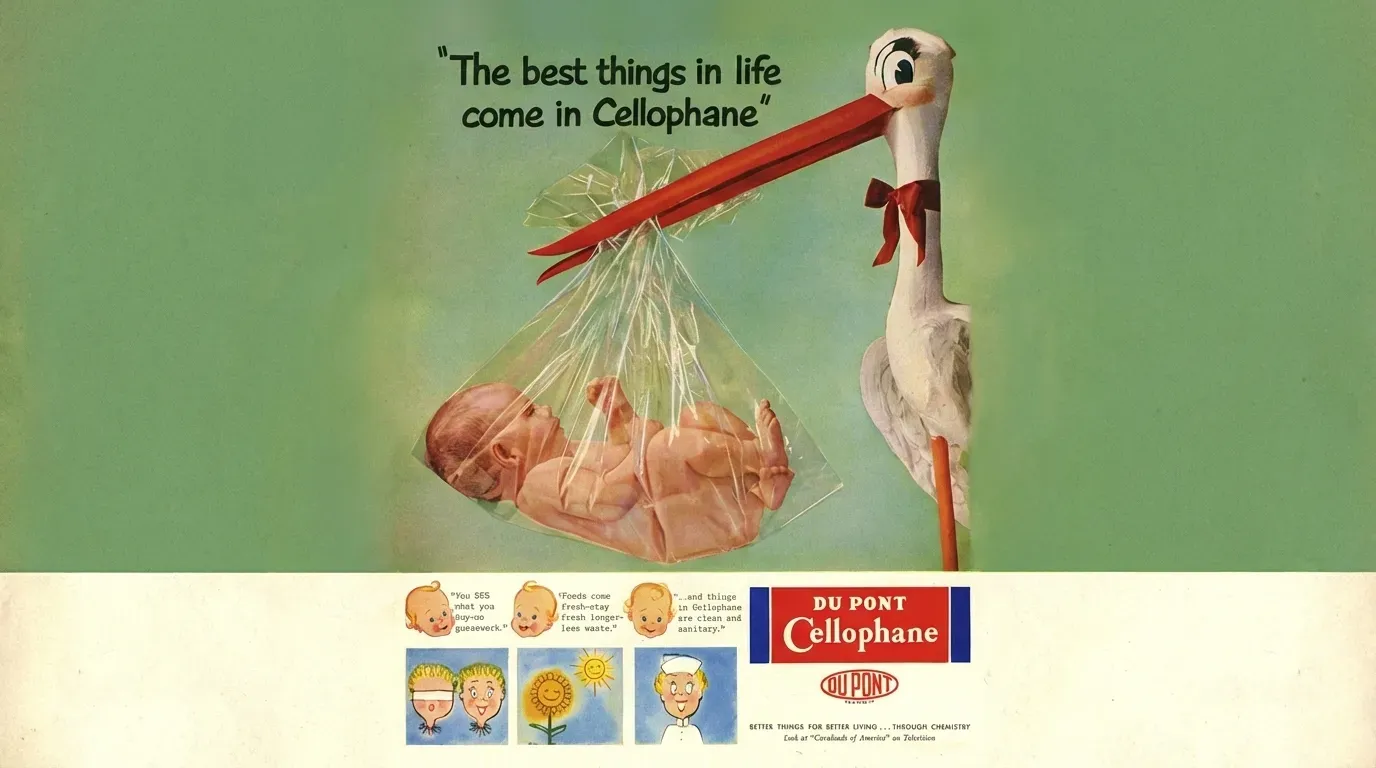
Cellophane is a transparent film made from regenerated cellulose - wood pulp that’s been chemically processed into a clear, flexible sheet. It was the world’s first transparent packaging film, invented in 1912, and for decades it dominated food packaging before cheaper petroleum-based plastics took over in the 1980s.
Today, cellophane occupies a specialist niche. It costs more than BOPP or polyethylene, so you only use it when its unique properties genuinely matter. But for the right applications - twist-wrapped sweets for confectionery, breathable bags for bakery, hot pies from the food-to-go counter - nothing else performs quite like cellophane.
The film comes from renewable wood pulp (typically eucalyptus from FSC-certified plantations) and fully biodegrades in soil and compost. Unlike oxo-degradable plastics that fragment into microplastics, cellophane breaks down completely through natural microbial action. It’s the original sustainable packaging material - predating biodegradable BOPP and NatureFlex by over a century.
Why Cellophane Still Matters
Dead Fold - It Stays Where You Put It
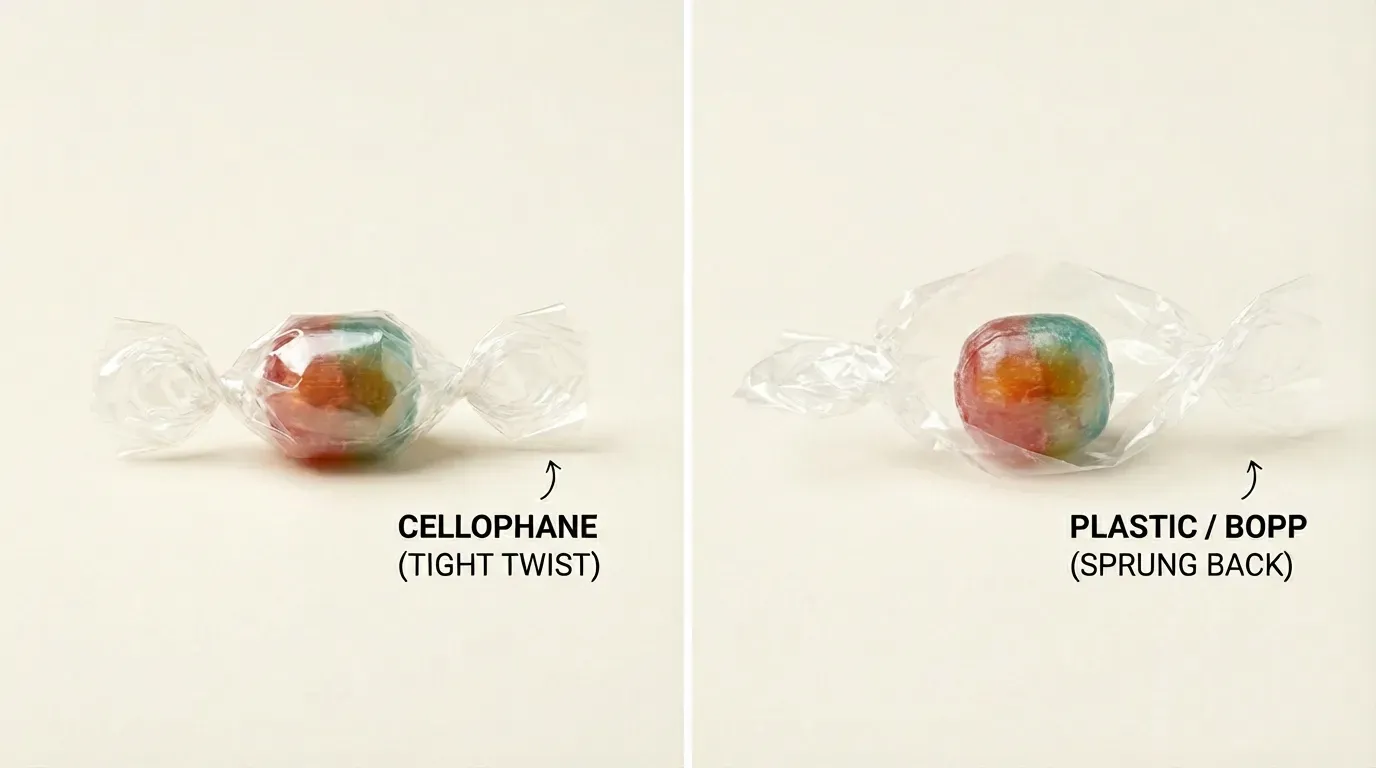
Cellophane’s signature property is dead fold: once you twist or fold it, it stays put. Plastic films have molecular memory - they fight to spring back to their original shape. Cellophane doesn’t.
This made cellophane the original choice for twist-wrapped confectionery. When you twist a sweet wrapper, you need it to hold the twist without a clip or adhesive. While twistable polyester films have largely taken over this market, cellophane is still specified where the traditional look and feel matter.
The same dead fold property creates sharp, permanent creases for gift wrapping and gives cellophane its distinctive crinkle sound that customers associate with quality.
Breathable - Lets Moisture Escape
Uncoated cellophane is naturally permeable to water vapour - moisture can migrate through the film without needing any perforation.
Historically this made cellophane popular for bakery products where moisture build-up causes sogginess and mould. In practice, most bakery packaging has now moved to BOPP with perforation to achieve similar breathability at lower cost.
Heat Resistant - Won’t Melt
Cellophane doesn’t melt. While thermoplastics like BOPP, CPP, and polyethylene soften or melt when heated, cellophane maintains its integrity up to around 150°C before it starts to degrade.
This was traditionally useful for hot cabinet applications - pies, pasties, and sausage rolls sold hot from the counter. However, perforated BOPP has largely replaced cellophane here too, offering heat resistance combined with controlled breathability at lower cost.
For genuine ovenable packaging, polyester is the usual choice.
Cellophane Grades and Coatings
The choice of coating fundamentally changes cellophane’s properties. Here’s what matters:
Uncoated (Plain) Cellophane
Pure regenerated cellulose with no surface treatment. This gives you:
- Maximum breathability - moisture passes freely through the film
- Full biodegradability - breaks down naturally without any barrier layers
- Cannot be heat sealed - needs twist, fold, or adhesive closure
- Poor moisture barrier - not suitable for humidity-sensitive products
Best for: Bakery bags, flower wrapping for horticulture, gift baskets, products that benefit from breathing
Nitrocellulose Coated
A thin lacquer coating on one or both sides that provides:
- Semi-permeable barrier - reduces but doesn’t eliminate moisture transmission
- Limited heat sealability - can be sealed on appropriate equipment
- Maintains most biodegradability characteristics
- Better protection than uncoated, less than full barrier films
Best for: Products needing some moisture protection while retaining breathability
PVDC Coated
Polyvinylidene chloride coating creates a serious barrier layer:
- Excellent moisture barrier - dramatically reduced water vapour transmission
- Good oxygen barrier - protects against oxidation and staleness
- Fully heat sealable - runs on standard packaging equipment
- Extended shelf life - suitable for longer ambient storage
Best for: Products requiring barrier protection - biscuits, cakes, confectionery for retail
The trade-off: PVDC coating reduces biodegradability. The cellulose base still degrades, but the coating layer persists longer. For applications where certified compostability is the primary driver, consider NatureFlex instead - it offers similar barrier properties with full EN 13432 certification.
Cellophane vs BOPP
| Cellophane | BOPP | |
|---|---|---|
| Cost | Higher | Lower |
| Dead fold | Excellent | None (springs back) |
| Breathability | Yes (uncoated) | No |
| Heat resistance | Won’t melt | Softens at 140°C |
| Moisture barrier | Poor (uncoated) to good (PVDC) | Good |
| Heat sealability | Coated grades only | Co-extruded grades |
| Biodegradability | Yes (100%) | No |
| Line speed | Moderate | High |
BOPP replaced cellophane for most flexible packaging because it’s cheaper, seals easily, and runs faster on modern equipment. But BOPP can’t match cellophane’s dead fold, breathability, or heat resistance.
Choose cellophane when: You need twist wrap performance, breathable packaging for bakery, heat resistance for hot food, or genuine biodegradability
Choose BOPP when: Cost matters more than specialist properties, you need high-speed automated packaging, or moisture barrier is the priority
Applications
Confectionery - Twist Wrapping
Cellophane was the original twist wrap material, and its dead fold properties made it the go-to choice for sweets, chocolates, and toffees for decades. Available in brilliant colours as well as clear, it creates a glossy, traditional finish.
While twistable polyester has taken over much of this market, cellophane is still used for certain confectionery applications - particularly where the traditional look and feel matter to the brand. We supply cellophane in reels for twist wrapping lines.
Other Niche Applications
Cellophane’s breathability still suits some specialist products - traditionally cheese and cigars where moisture permeability matters. However, for most general packaging applications, BOPP has largely replaced cellophane due to lower cost and easier processing.
Cellophane vs NatureFlex
Both cellophane and NatureFlex are cellulose films from the same manufacturer (Futamura, based in Wigton, Cumbria). The key difference is certification:
Cellophane: The original cellulose film. Biodegradable in practice, but not certified to composting standards.
NatureFlex: Formulated specifically to meet EN 13432 (industrial composting) and OK Compost Home certification. Proven to biodegrade within defined timeframes under tested conditions.
If your application requires certified compostability - for regulatory compliance, retailer requirements, or marketing claims - NatureFlex is the appropriate choice. If you simply want a natural, biodegradable material without needing formal certification, standard cellophane delivers the same base material at lower cost.
We supply both cellophane and NatureFlex. We can advise which makes sense for your specific requirements.
Not the Same as “Cello Bags”
A word of caution: many products sold as “cellophane bags” or “cello bags” are actually made from OPP (oriented polypropylene) or other plastic films. These are marketed using the cellophane name because it’s become a generic term for clear bags.
True cellophane is regenerated cellulose - a plant-based material that biodegrades naturally. OPP is a petroleum-based plastic that persists in the environment for centuries. If biodegradability matters to your application, verify that you’re buying actual cellulose film, not plastic being sold under the cellophane name.
We supply genuine cellophane from Futamura, the manufacturer that owns the Cellophane trademark and produces the film at their facility in Cumbria.
Technical Specifications
| Grade | Thickness | Coating | Heat Seal | Barrier | Biodegradable |
|---|---|---|---|---|---|
| Plain | 20-42μm | None | No | Low | Yes (fully) |
| MS/XS | 25-42μm | Nitrocellulose | Limited | Medium | Yes (mostly) |
| PT/PVdC | 25-42μm | PVDC both sides | Yes | High | Partial |
Standard widths up to 1500mm. Custom slitting to your requirements.
Printing on Cellophane
Cellophane accepts both flexographic and gravure printing on corona-treated surfaces. The film’s natural gloss enhances printed graphics, and its dimensional stability means good registration across long runs.
The surface is naturally antistatic, which reduces dust attraction and makes handling easier than some plastic alternatives.
For twist wrap applications, we can supply pre-printed cellophane in your brand colours and designs. The combination of brilliant colour options and high-quality print creates distinctive packaging for premium confectionery.
What We Supply
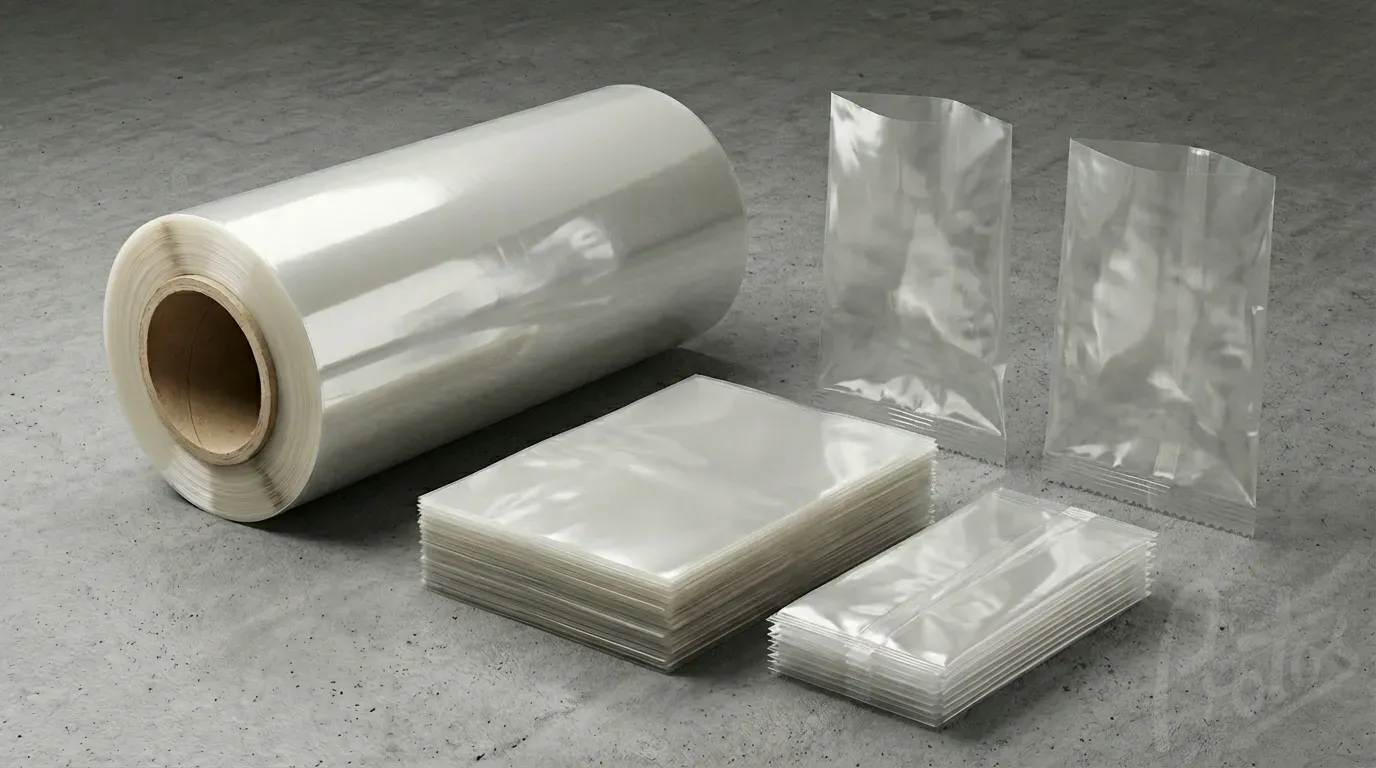
We convert cellophane into multiple formats:
- Reels for flow wrap, twist wrap, and overwrapping machinery
- Sheets for counter service, interleaving, and manual wrapping
- Bags - gusseted, flat, and specialty shapes for bakery and confectionery
All conversion is done in-house at our UK facility - slitting, sheeting, bagmaking, and printing up to 10 colours.
For standard plain cellophane, we hold stock in popular sizes. Specialist grades and custom specifications are made to order with typical lead times of 4-6 weeks. Our warehousing service lets you secure pricing while calling off smaller quantities as needed.
Working With Us
Cellophane is a specialist material - it’s more expensive than BOPP and not suitable for every application. But when you need dead fold, breathability, heat resistance, or genuine biodegradability, it’s often the only material that works.
If you’re not sure whether cellophane is right for your application, give us a call. We’ll talk through what you’re trying to achieve and recommend the most appropriate material - which might be cellophane, might be BOPP, might be something else entirely. We’d rather help you find the right solution than sell you the wrong product.
Technical specifications and material properties.
Thickness Range
20μm to 42μm
Maximum Width
1500mm
Material Source
FSC-certified wood pulp
Biodegradation
Fully biodegrades in soil/compost
Food Grade
EU 10/2011 Compliant
Coating Options
Uncoated, nitrocellulose, PVDC
Recyclability
Not recyclable
This material is commonly used in the following industries: