NatureFlex Compostable Film
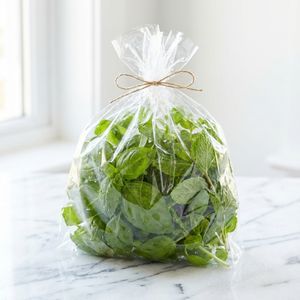
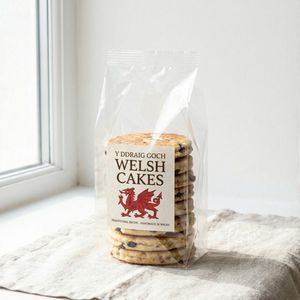
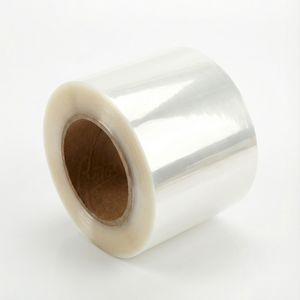
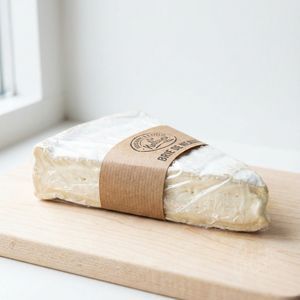
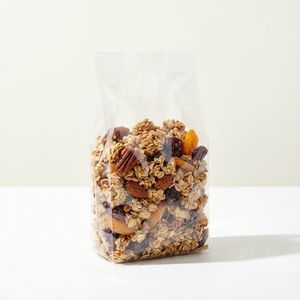
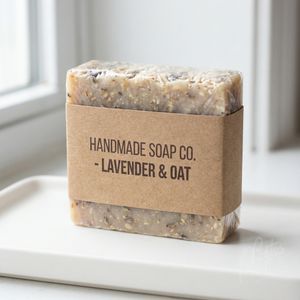
Certified compostable cellulose film from Futamura. EN 13432 and OK Compost Home certified, exempt from UK Plastic Packaging Tax. Barrier grades for confectionery, bakery, snacks. Converted in the UK into reels, bags, and sheets.
Key Features & Benefits
Certified Compostable
EN 13432 industrial and OK Compost Home certified - verified to biodegrade, not just claimed
Plastic Tax Exempt
Not classified as plastic under UK Plastic Packaging Tax - tax advantage over other films
High Barrier Options
NK grades offer moisture barrier approaching co-extruded OPP - best of any bio-polymer film
Home Compostable
Most grades certified OK Compost Home - breaks down in garden compost, not just industrial facilities
Heat Sealable
Novel heat-seal resins on both sides with wide sealing window for reliable machine performance
Made in UK
Manufactured by Futamura in the UK - short supply chain, reduced carbon footprint
About NatureFlex Film
What is NatureFlex?
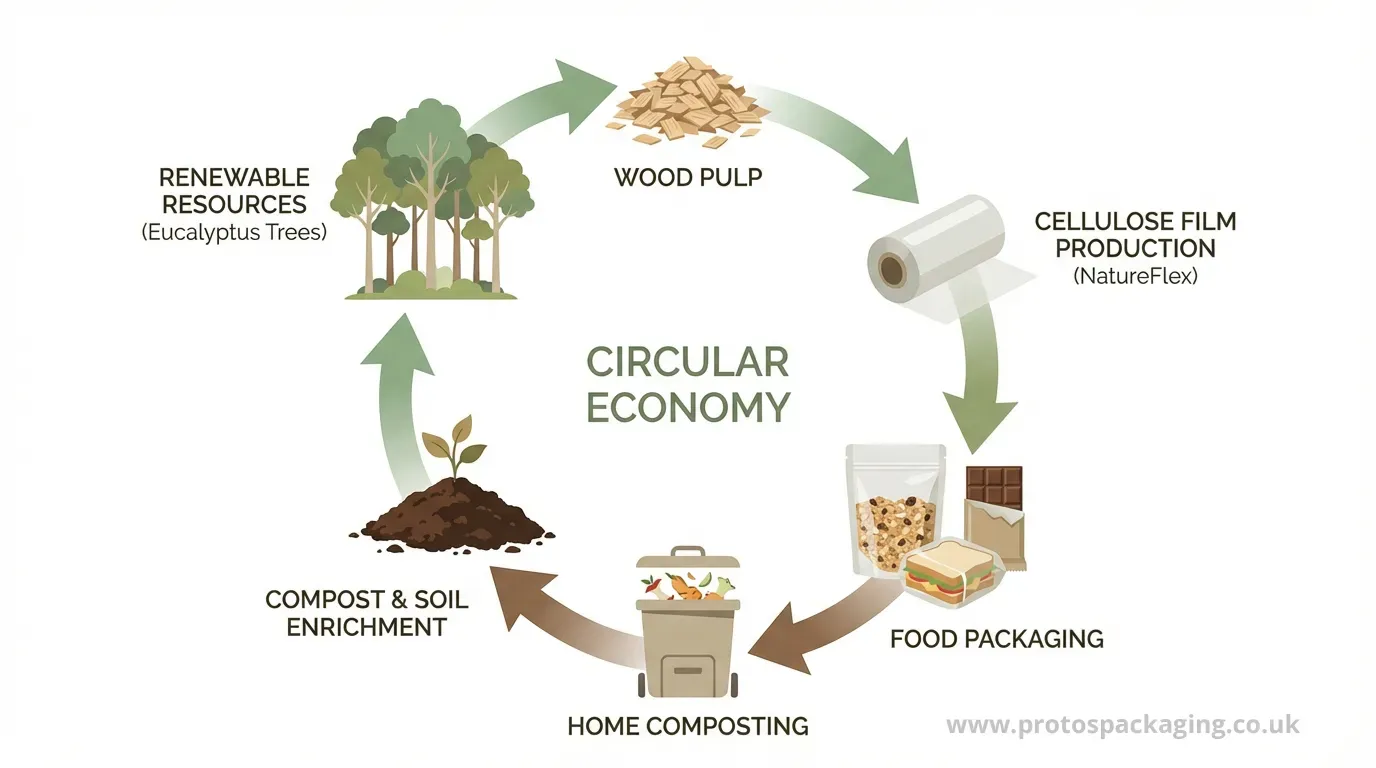
NatureFlex is a family of certified compostable films manufactured by Futamura from renewable wood pulp. It’s the evolution of traditional cellophane - same base material, same manufacturer - but with one critical difference: NatureFlex has been independently tested and certified to biodegrade within defined timeframes.
Where cellophane is “biodegradable” in the general sense (it will eventually break down), NatureFlex carries formal certification to EN 13432 (industrial composting) and OK Compost Home (garden composting). These aren’t marketing claims - they’re verified standards requiring specific testing protocols and third-party audits.
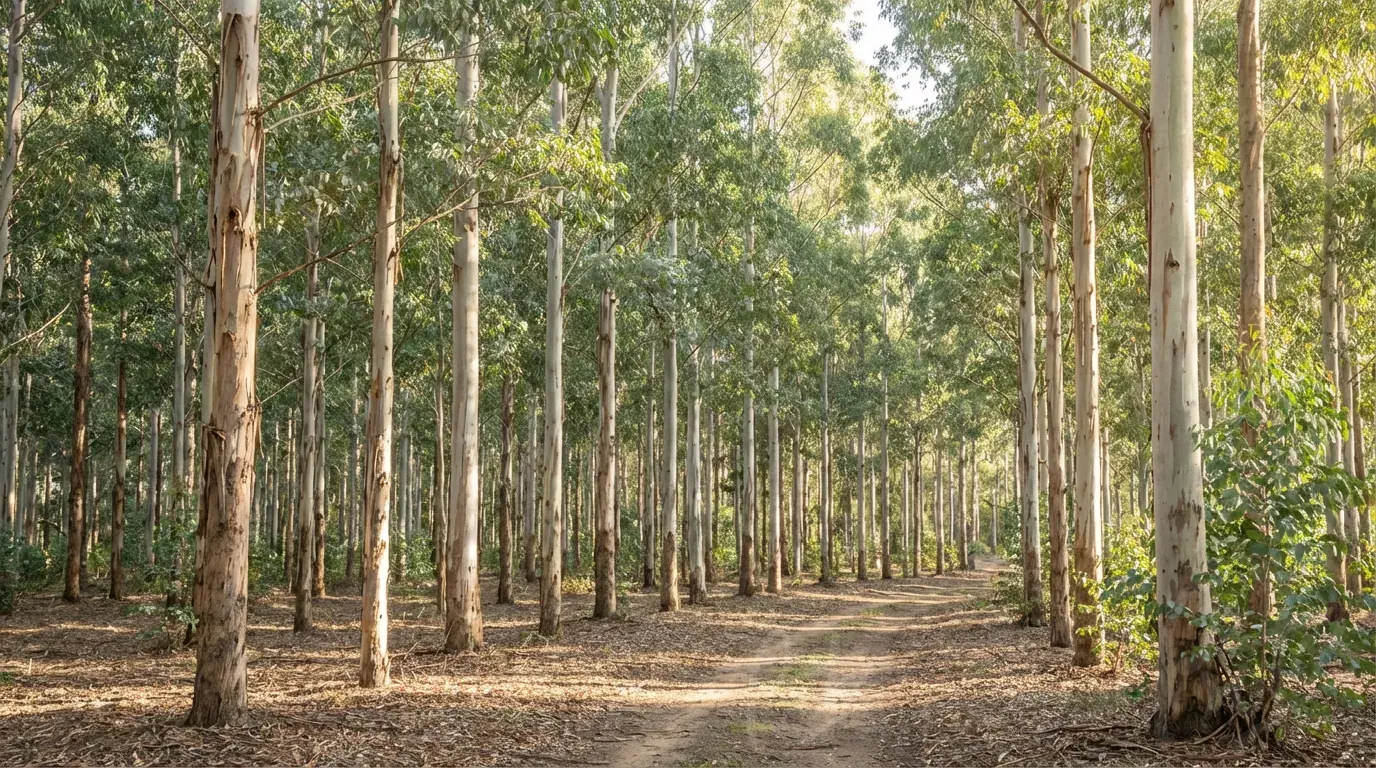
The film is made from wood pulp sourced from FSC-certified plantations, primarily fast-growing eucalyptus. Over 90% of NatureFlex is bio-based renewable material. It looks and handles like a clear plastic film, but it’s actually regenerated cellulose - essentially transparent paper with enhanced barrier properties.
UK Plastic Packaging Tax Exempt
The UK Plastic Packaging Tax applies to plastic packaging that doesn’t contain at least 30% recycled content. The rate rises annually, and most packaging films attract this tax.
NatureFlex doesn’t. HMRC’s definition states that “cellulose-based polymers that have not been chemically modified, such as viscose, are not treated as plastic.” NatureFlex falls into this category - it’s regenerated cellulose, not a chemically modified polymer.
This exemption gives NatureFlex a tax advantage over:
- Standard BOPP and CPP (taxed unless 30% recycled)
- PLA and other bioplastics (still polymer-based, still taxed)
- Most “eco” film alternatives
However, it’s important to be realistic: NatureFlex is significantly more expensive and heavier than conventional films. The tax exemption helps offset some of this premium, but NatureFlex remains a higher-cost option best suited to applications where certified compostability genuinely matters.
Certified, Not Just Claimed
The packaging industry is full of vague environmental claims. “Biodegradable,” “eco-friendly,” and “sustainable” are used liberally without verification. NatureFlex is different - every grade carries specific, audited certifications:
EN 13432 - European standard for industrial composting. Requires:
- 90% biodegradation within 6 months
- 90% disintegration within 12 weeks
- No negative effects on composting process
- Compost quality meets standards
- Heavy metals below specified limits
ASTM D6400 - American equivalent standard for industrial composting.
OK Compost Home (TÜV Austria) - Certification for home composting at ambient temperatures (below 30°C). More demanding than industrial standards because garden compost doesn’t reach the temperatures of commercial facilities.
In independent testing, NatureFlex achieved 90% biodegradation within 45 days under industrial composting conditions. Home composting takes longer but is still verified to occur within the certification requirements.
Made in the UK
Futamura manufactures NatureFlex at their UK facility. Domestic manufacturing means shorter supply chains, reduced transport emissions, and better supply security compared to imported alternatives.
NatureFlex Grades
NatureFlex isn’t one film - it’s a family of grades with different properties for different applications. Understanding which grade suits your application is key to getting the right performance.
NK - Transparent High Barrier
The workhorse grade for most food packaging. NK films offer:
- Excellent moisture barrier (approaching co-extruded OPP - the best of any bio-polymer)
- Good oxygen and aroma barrier
- Heat sealable both sides
- Crystal clear with high gloss
- Available in 20, 23, 30, and 45 micron
Best for: Confectionery, biscuits, cereals, crisps, snack bars - anywhere you need barrier protection with compostable credentials.
Variants include NKA, NKR, and NK White for specific applications.
NE - General Purpose
A transparent, heat-sealable grade with good (not excellent) moisture barrier. Lower cost than NK grades.
- Good moisture barrier
- Anti-static properties
- Heat sealable
- General purpose packaging
Best for: Applications where some moisture protection is needed but extreme barrier isn’t critical.
NVS - Semi-Permeable
Specifically designed for products that need to breathe. Unlike barrier grades, NVS allows controlled moisture transmission.
- Intermediate moisture barrier (semi-permeable)
- Heat sealable
- Suitable for chilled applications
Best for: Fresh produce, chilled ready meals, products where some breathability prevents condensation or sogginess.
NM - Metallised
A cellulose film with a microscopically thin aluminium layer for enhanced barrier and distinctive metallic appearance.
- Enhanced moisture and oxygen barrier
- Metallic finish
- Heat sealable
- Dead fold properties for twist wrap
Best for: Chocolate, premium confectionery, applications needing both barrier and visual impact.
The metallisation is so thin (less than 0.02%) that it only marginally slows biodegradation - the film remains certified compostable.

NatureFlex vs Cellophane
Both NatureFlex and cellophane are cellulose films made by Futamura. The relationship:
| Cellophane | NatureFlex | |
|---|---|---|
| Base material | Wood pulp cellulose | Wood pulp cellulose |
| Manufacturer | Futamura | Futamura |
| Certified compostable | No | Yes (EN 13432, OK Compost Home) |
| Biodegradable | Yes (unverified) | Yes (verified, tested, certified) |
| PPT exempt | Yes | Yes |
| Cost | High | Higher |
When to use NatureFlex: When you need certified compostability for marketing claims, retailer compliance, or regulatory requirements.
When to use cellophane: When you want the same natural material at lower cost but don’t need formal certification.
Both are exempt from the Plastic Packaging Tax. The choice depends on whether certification matters for your application.
NatureFlex vs PLA
PLA (polylactic acid) is another bio-based film option. Key differences:
| NatureFlex | PLA | |
|---|---|---|
| Raw material | Wood pulp (cellulose) | Corn/sugarcane (polylactic acid) |
| Home compostable | Yes (most grades) | No (industrial composting only) |
| Marine degradable | Yes | No |
| UK Plastic Tax | Exempt | Taxed (it’s still a polymer) |
| Heat resistance | Good | Poor (brittle, heat-sensitive) |
NatureFlex has significant advantages: home compostability, tax exemption, and better heat tolerance. PLA requires industrial composting facilities to break down properly.
NatureFlex vs Biodegradable BOPP
We also supply biodegradable BOPP - a different approach to sustainable packaging:
| NatureFlex | Biodegradable BOPP | |
|---|---|---|
| Base material | Cellulose (wood pulp) | Polypropylene (petroleum) |
| End of life | Compostable | Biodegrades in natural environment |
| Certification | EN 13432, OK Compost Home | PAS 9017 |
| Recyclable | No - will contaminate recycling streams | Yes (PP recycling streams) |
| UK Plastic Tax | Exempt | Taxed (unless 30% recycled) |
| Weight | Heavy | Light (same as standard BOPP) |
| Cost | High | Moderate premium over standard BOPP |
| Performance | Good barrier, some grades | Identical to standard BOPP |
Choose NatureFlex when: Certified compostability is essential for your marketing or compliance requirements, and customers will genuinely dispose via composting or organics collection.
Choose biodegradable BOPP when: You need identical performance to standard BOPP at lower cost, the packaging might become litter, or recyclability matters. Biodegradable BOPP is lighter, cheaper, and won’t damage recycling streams if it ends up there.
Applications
NatureFlex works across many food packaging applications:
Confectionery
Confectionery packaging suits NatureFlex well:
- Chocolate bars: Metallised NatureFlex provides the barrier and appearance chocolate needs
- Twist wrap: NatureFlex has dead fold properties like traditional cellophane - once twisted, it stays put
- Bags and pouches: NK grades for sweets, biscuits, and boxed chocolates
Tea
Tea packaging works well with NatureFlex, with the added advantage that tea bags and their outer packaging can go into food waste bins together.
Bakery
Bakery products - biscuits, crackers, shelf-stable baked goods - package well in NatureFlex. The barrier properties extend shelf life while the compostability appeals to eco-conscious consumers.
For products needing some breathability (fresh baked goods), NVS semi-permeable grades prevent sogginess without full barrier.
Snacks and Dried Foods
Crisps, nuts, dried fruit, cereal bars - products where moisture ingress causes staleness. NK high-barrier grades protect product quality while enabling compostability claims.
Machine Compatibility
NatureFlex runs on standard packaging equipment:
- Flow wrap (horizontal form-fill-seal): Wide heat seal range ensures reliable seals across different line speeds
- Vertical form-fill-seal: Suitable for pouches and sachets
- Overwrap: Clear grades work well for box overwrapping
- Twist wrap: Dead fold properties make it suitable for confectionery twist wrapping
The film is heat sealable on both sides with a wide sealing window. It’s also naturally anti-static, reducing the dust attraction problems that can affect some films.
Shelf Life and Storage
The barrier properties of NatureFlex genuinely protect contents over extended periods - shelf life depends on the product and grade selected.
The film itself remains stable indefinitely under normal storage conditions. Biodegradation only initiates when the film is exposed to composting conditions (moisture, microorganisms, oxygen). Store away from direct sunlight, moisture, and heat sources, ideally at 17-23°C.
For best results, use film within 6 months of receipt and store in original packaging until needed.
Composting Infrastructure
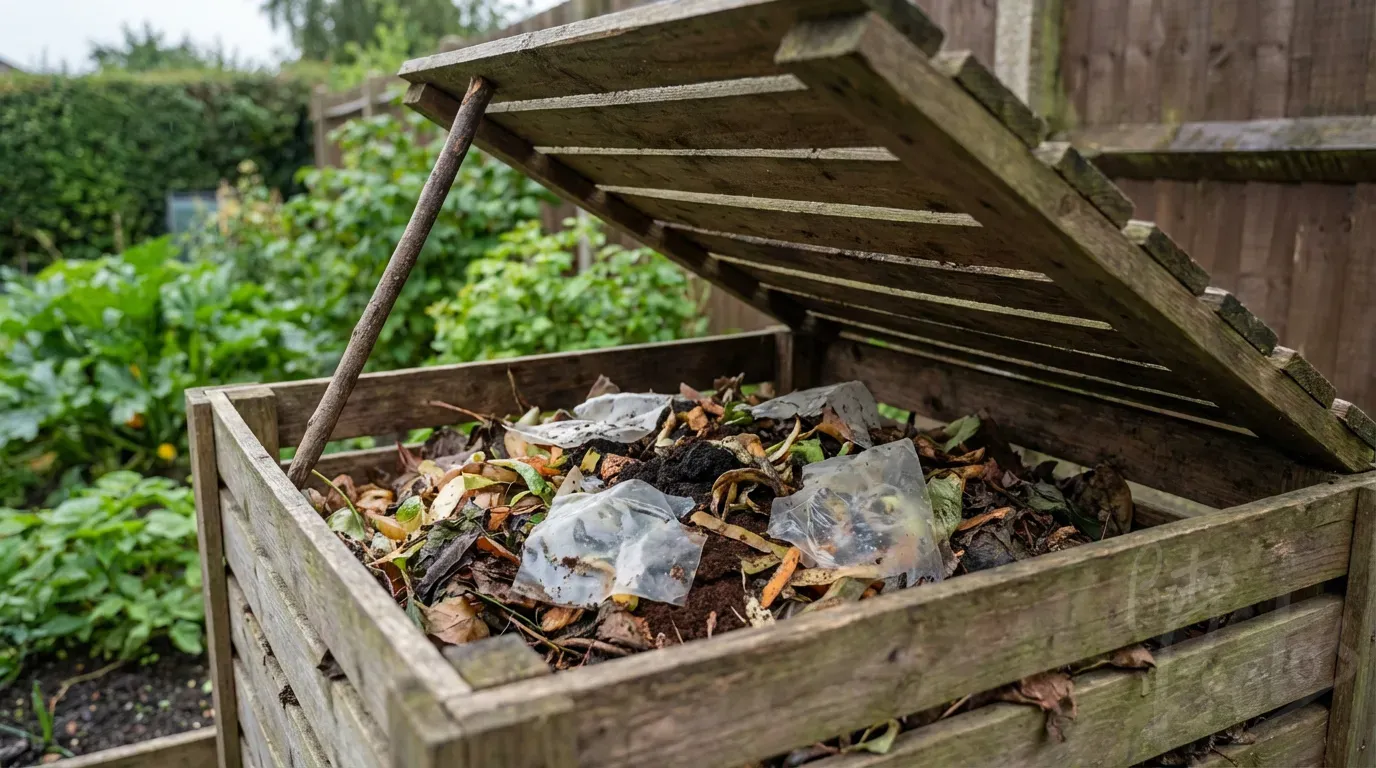
NatureFlex is designed for organic recycling - composting or anaerobic digestion. UK infrastructure for accepting compostable packaging is expanding, with more councils now collecting food waste (including certified compostable packaging) at the kerbside. Home composting is also an option for OK Compost Home certified grades.
What We Supply
We convert NatureFlex into multiple formats at our UK facility:
- Reels - for flow wrap, form-fill-seal, overwrap, and other automated packaging
- Bags - gusseted, flat, and specialty shapes
- Sheets - for counter service and manual wrapping
Conversion services include slitting, sheeting, bagmaking, and printing up to 10 colours. We can match specific widths and core sizes to your equipment requirements.
Printing on NatureFlex
NatureFlex accepts conventional flexographic and gravure printing. The surface provides excellent ink adhesion and allows high-quality graphics with fine detail.
The film’s clarity and gloss enhance printed graphics - colours appear vibrant and the natural lustre adds perceived quality. For applications requiring understated presentation, matte grades are available.
The surface is naturally anti-static, which helps with print registration and reduces dust contamination during printing and converting.
Working With Us
NatureFlex costs significantly more than conventional films like BOPP and is heavier too. It’s not an economical option for most applications. But for brands where certified compostability genuinely matters - whether for marketing, retailer requirements, or consumer expectations - it may be justified.
We’re happy to discuss whether NatureFlex makes sense for your application. Sometimes it’s the right choice; sometimes standard BOPP, biodegradable BOPP, or even traditional cellophane is more appropriate.
For trial purposes, we can supply smaller quantities so you can test NatureFlex on your equipment and with your customers before committing to production volumes. Our stockholding service lets you secure pricing on larger orders while calling off as needed.
Technical specifications and material properties.
Thickness Range
20μm to 45μm
Maximum Width
1500mm
Industrial Composting
EN 13432, ASTM D6400
Home Composting
OK Compost Home (TÜV Austria)
Biodegradation Time
90% in 45 days (industrial)
Bio-based Content
90%+ renewable wood pulp
Food Grade
EU 10/2011 Compliant
Plastic Tax
Exempt (not classified as plastic)
Recyclability
Not recyclable
This material is commonly used in the following industries: