
How Packaging Aids Our Psychological Health
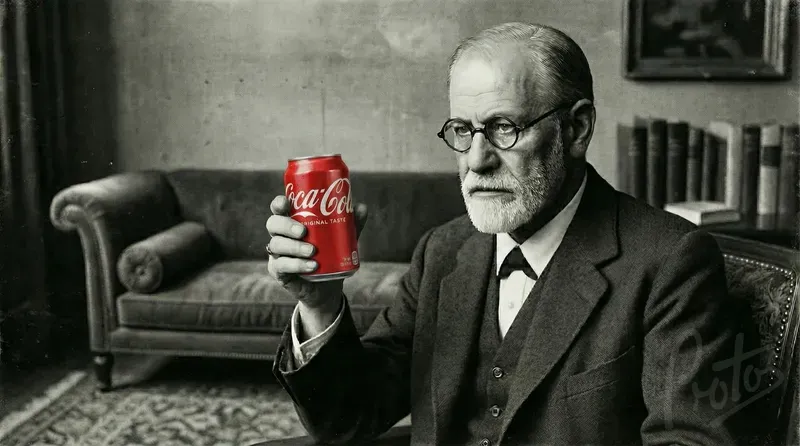
In today’s environment of criticism directed at plastic packaging due to ocean pollution, an industry associate asserted that plastic represents a significant human achievement. While environmentally conscious individuals might question this stance, the underlying sentiment holds merit - though credit belongs to chemist Leo Baekeland rather than divine creation.
This prompts a bold but defensible claim: packaging helps fulfil fundamental psychological needs in consumer society. The evidence supports this proposition.
Navigating the Retail Environment
Packaging’s primary function enables branding, which helps navigate complex retail environments. A typical UK supermarket stocks 45,000 products, yet shoppers select approximately 50 items in 50 minutes - requiring the brain to evaluate roughly 900 items per minute. Our minds use mental shortcuts, with packaging branding serving as a powerful environmental cue facilitating quick product selection.
Brand recognition activates stored memories instantly. The distinctive Heinz label evokes family imagery, while Ambrosia custard’s pastoral design triggers specific emotional associations. Research confirms that “familiarity breeds liking,” with seven of ten purchasing decisions made in-store. Packaging functions as the “silent salesman.”
The Subconscious at Work
These mental processes operate beneath conscious awareness. A 1999 study demonstrated that wine shop music influenced purchasing: German music increased German wine sales, while French music reversed this pattern. Consumers heard the music but remained unaware of its influence.
This subconscious susceptibility raises concerns about manipulation. Branded ibuprofen (Nurofen) costs £1.98 for 16 tablets at ASDA, while the identical unbranded version costs 25p - an astronomical 793% premium despite identical active ingredients.
However, research reveals deeper psychological benefits beyond product differentiation. Trusted brands associate with feelings of satisfaction, reassurance, safety, and importance. These emotions address fundamental psychological needs: feeling good about oneself, connecting with others, and seeking security amid uncertainty.
Identity and Belonging
Consumers select brands reflecting personality traits they identify with or aspire toward. Apple’s “I’m a Mac, I’m a PC” campaign positioned Mac users as tech-savvy and intelligent, enabling buyers to join like-minded communities. Harley-Davidson ownership facilitates connection with fellow enthusiasts.
Trusted brands provide security in uncertain worlds. Hovis’s nostalgic advertising suggested stability and tradition - the brand has endured over 130 years. Coca-Cola’s 1970s campaign featuring international singers united around harmony created powerful emotional connections.
The Pepsi Paradox
The famous “Pepsi Paradox” illustrates brand power: blind tastings favour Pepsi over Coca-Cola, yet informed tastings reverse this preference. Brain imaging reveals increased neural activity in areas associated with warm, positive feelings when contemplating favourite brands. Individuals with damage to this brain region maintain their Pepsi preference regardless of brand knowledge.
Brand trust failures produce devastating consequences. Britain’s Ratners jewellers collapsed in 1991 when founder Gerald Ratner publicly criticised his products as “total crap.” The company lost £500 million in value overnight, despite product quality remaining unchanged. Customers felt stupid and betrayed - no longer identifying with the brand.
The Placebo Effect of Brands
Beyond psychological satisfaction, branded products improve actual performance through placebo-like effects. Studies showed students sank 20% more golf putts using Nike putters versus generic equipment, despite identical clubs. Similarly, individuals performed significantly better on maths tests wearing 3M foam earplugs versus allegedly unbranded versions - the earplugs were actually identical. Belief in brand strength improved measurable outcomes.
One caveat matters: brands must deliver promised value before evoking positive feelings. Paul Geddes, Direct Line Insurance CEO, compares brand prerequisites to Maslow’s hierarchy - Competence and Convenience must precede Connection. Supermarket campaigns featuring fictitious farm names (Morrison’s Helmsley’s, Tesco’s Boswell Farms) backfired when consumers discovered the falsity. Without authentic Competence, Connection attempts fail.
The Role of Packaging
Ultimately, packaging enables engagement with trusted brands in retail environments. Without packaging, weekly shopping would exhaust mental resources through endless undifferentiated choices. More significantly, the experience would lack emotional benefits addressing fundamental psychological needs for self-esteem, social connection, and security. Without these positive feelings, retail therapy loses its fundamental appeal.
For those finding shopping inherently unpleasant, some comfort exists: the experience could feel considerably bleaker without packages - whether polyethylene bags, metal cans, laminated pouches, glass jars, cardboard boxes, or plastic bottles. However, while fostering positive brand experiences, we must simultaneously address environmental responsibility through reduction, reuse, and recycling.